
Cancer
Bone health after cancer treatment: protecting your bones
Reviewed by Reilly Smith, MSc Clinical Exercise PhysiologyLast reviewed 27 October 202611 min read
On this page
Bone health after cancer treatment matters because hormone therapies, an early menopause and high-dose steroids can thin bones and raise the risk of a fracture [1]. Your NHS team may offer calcium and vitamin D or a bone-strengthening medicine [1]. Weight-bearing exercise is particularly good for bones [2], and a clinical exercise physiologist can help you build it up [3].
Which cancer treatments can thin your bones?
Treatments that lower oestrogen or testosterone, treatments that bring on an early menopause, and high doses of steroids can all thin bones and raise the risk of a fracture [1].
Hormone therapies. For breast cancer, Macmillan explains that oestrogen-lowering drugs such as anastrozole, exemestane and letrozole can thin bones: "Taking these drugs for several months or more can cause bone thinning and increase the risk of fractures" [1]. For prostate cancer, Prostate Cancer UK says "Long-term hormone therapy may cause your bones to gradually lose their bulk" [5].
Tamoxifen is different. Tamoxifen "may slightly increase the risk of osteoporosis for premenopausal women", but after the menopause it "slows down bone loss and can reduce the risk of osteoporosis" [4].
Early menopause, chemotherapy and radiotherapy. "Chemotherapy can cause changes in the ovaries, which can lead to an early menopause" [4]. Macmillan says "Having lower than normal levels of these hormones before the age of 50 can lead to bone thinning", and "Radiotherapy can sometimes cause changes to the bone in the area being treated" [1].
Steroids. "Having high doses of steroids can cause bone loss and increase the risk of fractures" [1].
How do you know if your bones are thinning?
A bone density scan shows whether your bones are thinning [7]. Symptoms will not tell you, because "Osteoporosis does not cause symptoms until a weakened bone breaks (fractures)" [6].
Osteoporosis means bone density has fallen, so "the bones are weaker and more likely to break" [6]. Fractures from thinning bones "are most common in the wrists, hips and spine" [6].
The test is a DXA (or DEXA) bone density scan, which "only takes a few minutes and is painless" [7]. The result is a T-score, which compares your bone density with an average healthy adult; a score of -2.5 or below means your bones are at higher risk of fracture [7].
When a scan happens depends on your treatment. Prostate Cancer UK says your doctor may suggest one before you start hormone therapy [5]. If nobody has mentioned your bones, ask.
What medicines might your team offer to protect your bones?
Your team may suggest calcium and vitamin D supplements, a bisphosphonate or denosumab if tests show low bone density or a high fracture risk, or if your treatment is known to raise the risk of osteoporosis [1].
Breast Cancer Now explains that "Bisphosphonates help strengthen your bones and reduce your risk of fractures" [4]. Denosumab "slows down bone loss in osteoporosis and may be recommended to reduce your risk of fractures" [4]; Prostate Cancer UK notes it "might be an option if bisphosphonates aren't suitable for you and you live in England, Wales or Scotland" [5]. Your cancer team will decide whether any of these suit you.
Look after your teeth if you are offered a bisphosphonate. Alendronic acid is "a type of medicine called a bisphosphonate" [8]. The NHS says people who "have problems with your teeth, or are waiting for dental treatment such as having a tooth out" may not be able to take it [9]. Among its rare but serious side effects, it lists "a loose tooth, mouth sores, or swelling or pain in your mouth or jaw", and says to "contact your dentist as well as your doctor, as this could be a sign of damage to your jawbone" [10]. Tell your team about any dental problems before you start.
Can exercise protect your bones after cancer treatment?
Exercise is recommended for bone health, but the evidence that exercise raises bone density in people after cancer treatment is mixed. Exercise is more clearly helpful for muscle strength and for lowering the risk of falls [5][11][12].
A 2019 international roundtable on exercise for cancer survivors, convened by the American College of Sports Medicine (ACSM), found that "the evidence for exercise to improve bone health is inconsistent" [11]. Trials designed around bone found that resistance training combined with impact training, "performed 2–3 days per week", was the most consistently effective approach [11]. The same roundtable found that walking "does not appear to provide a sufficient stimulus to improve bone outcomes" on its own [11].
A 2025 review of eight trials with 1,099 women with breast cancer after the menopause found that exercise appeared to "have a limited impact on BMD" (bone density), although it did increase lean (muscle) mass [12]. Prostate Cancer UK says "We don't yet know whether exercise can help to prevent bone thinning in men who are on hormone therapy", but "regular exercise may help to keep you strong and prevent falls that could lead to broken bones" [5].
So treat exercise as one part of bone care alongside any medicine your team recommends, not a replacement for it.
What exercise is best for bone health after cancer?
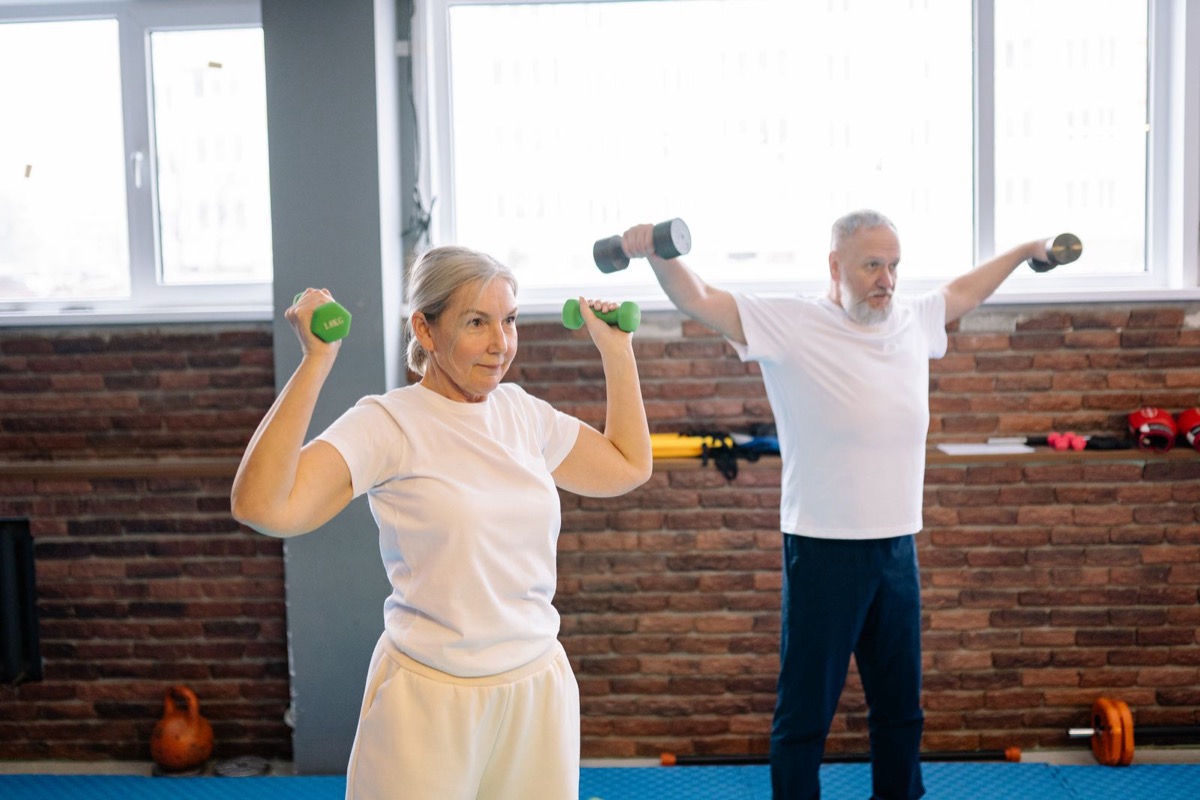
A mix of weight-bearing activity, strength training and balance work is the usual advice [2][13]. Safe impact depends on your bones, so the plan should fit your bone density and fracture history [11][13].
| Type of exercise | Examples | Why it matters for bones |
|---|---|---|
| Weight-bearing | Brisk walking, stair climbing [13] | Particularly good for bone health [2] |
| Strength (resistance) | Resistance exercise, sit to stands [13] | Strengthens muscles, bones and joints [2] |
| Balance | Balance exercises, tai chi, dance [2][13] | Builds strength and balance, lowering the risk of a fall [2][13] |
The ACSM roundtable noted that its bone-building prescription, which includes high-impact training, "may not be safe for cancer survivors with bone fragility associated with osteoporosis" [11]. In its exercise advice for people with cancer, North Bristol NHS Trust says that if you have bone problems, "You should also avoid high-impact activities like running" [14].
Our guide to exercise for osteoporosis covers safe movement once bones are thin, including after a spinal fracture. Our guide to exercise after cancer treatment covers rebuilding general fitness.
How much calcium and vitamin D do you need?
Most adults are advised to have 700mg of calcium a day and a daily 10 microgram vitamin D supplement, though your doctor may advise more calcium if you have osteoporosis [2].
Macmillan says "If you have osteoporosis, your doctor may advise that you have 1,000mg a day" of calcium, and that "Guidelines suggest that people take a daily supplement of 10 micrograms (400 IU) of vitamin D" [2]. Vitamin D matters because it "helps the body absorb calcium", and "During the autumn and winter when sunlight levels are low, it is difficult to get enough vitamin D" [2].
Stopping smoking and drinking "no more than 2 units of alcohol a day or 14 units a week" also help your bones [2]. Check with your team before taking a supplement. For wider eating advice during treatment, see our guide to nutrition during cancer treatment.
How can you lower your risk of falls?
Strength and balance exercise at least twice a week, a safer home and a medicines check all lower the risk of falls, which matters because "Falls are a common cause of fractures, especially as you get older" [2][16].
The NHS falls advice includes [16]:
- Strength and balance activities "at least twice a week".
- Clearing clutter and "things you could trip on such as loose wires or rugs".
- Asking a GP or pharmacist whether any medicines affect your balance.
- Shoes or slippers "that fit well, do not slip off and have a good grip".
North Bristol NHS Trust advises that if you have bone problems you avoid uneven surfaces and "activities that increase the risk of you falling" [14].
What if the cancer has spread to your bones?
Cancer that has spread to the bones (secondary bone cancer) needs a different, supervised plan agreed with your oncology team. Cancer Research UK lists "breaks in the bones because they are weaker" among its symptoms [17]. This guide is about bone thinning from treatment, not bone metastases.
The ACSM roundtable notes that "Bone pain can be an initial sign of skeletal metastases", so new pain should be checked by your medical team [11]. Our guide to exercise with other cancers explains what is usually safe with bone metastases.
Who can help you exercise safely for your bones?
A clinical exercise physiologist (CEP) can build a strength and balance programme around your bone density, your treatment and any other side effects, alongside your NHS team.
NHS Health Careers describes clinical exercise physiologists as "prescribing and delivering evidence-based exercise" for long-term conditions, including work "with patients with different types of cancer and at different stages of treatment" [3]. Graduates of accredited master's courses can "apply to join the AHCS voluntary register" [3].
Read how exercise fits into cancer rehabilitation in the UK and in London.
Request a match with a verified clinical exercise physiologist through The Health Nav.
Talk to your oncology team first
Macmillan advises: "Talk to your GP, cancer doctor or specialist nurse before starting any exercise programme" [2]. Cancer Research UK agrees: "In general, if you have cancer, you should check with your doctor before starting any exercise" [15].
North Bristol NHS Trust advises: "Stop exercising if you get any sudden symptoms including:" feeling dizzy, chest pain, a racing heart, breathing problems, feeling sick, unusual back or bone pain, unusual muscle pain, or a headache that does not go away. It adds: "Speak to a doctor straight away if you notice these or any other symptoms" [14].
If you have cancer in your bones, know the signs of spinal cord compression. Cancer Research UK lists pain that "could be anywhere in your back, spine or neck" or "is getting worse or doesn’t go away", "weakness in your legs or arms", "difficulty walking", "changes to sensations in your body, such as pins and needles or numbness", and "difficulty controlling your bladder or bowel" [18]. It says "Spinal cord compression is an emergency and needs to be treated quickly", and advises: "Contact your hospital team straight away if you have any symptoms of spinal cord compression" [18]. If you cannot reach them, it says to "contact your GP or go to your nearest accident and emergency department (A&E)" [18].
This article is general information and does not replace advice from your own healthcare team.
Frequently asked questions
Which cancer treatments can thin your bones?
Treatments that lower oestrogen or testosterone, treatments that bring on an early menopause, and high doses of steroids can all thin bones and raise the risk of a fracture.
How do you know if your bones are thinning?
A bone density scan shows whether your bones are thinning. Symptoms will not tell you, because "Osteoporosis does not cause symptoms until a weakened bone breaks (fractures)".
What medicines might your team offer to protect your bones?
Your team may suggest calcium and vitamin D supplements, a bisphosphonate or denosumab if tests show low bone density or a high fracture risk, or if your treatment is known to raise the risk of osteoporosis.
Can exercise protect your bones after cancer treatment?
Exercise is recommended for bone health, but the evidence that exercise raises bone density in people after cancer treatment is mixed. Exercise is more clearly helpful for muscle strength and for lowering the risk of falls.
What exercise is best for bone health after cancer?
A mix of weight-bearing activity, strength training and balance work is the usual advice. Safe impact depends on your bones, so the plan should fit your bone density and fracture history.
How much calcium and vitamin D do you need?
Most adults are advised to have 700mg of calcium a day and a daily 10 microgram vitamin D supplement, though your doctor may advise more calcium if you have osteoporosis.
How can you lower your risk of falls?
Strength and balance exercise at least twice a week, a safer home and a medicines check all lower the risk of falls, which matters because "Falls are a common cause of fractures, especially as you get older".
What if the cancer has spread to your bones?
Cancer that has spread to the bones (secondary bone cancer) needs a different, supervised plan agreed with your oncology team. Cancer Research UK lists "breaks in the bones because they are weaker" among its symptoms. This guide is about bone thinning from treatment, not bone metastases.
Who can help you exercise safely for your bones?
A clinical exercise physiologist (CEP) can build a strength and balance programme around your bone density, your treatment and any other side effects, alongside your NHS team.
References
- Macmillan Cancer Support. "Bone health and cancer". https://www.macmillan.org.uk/cancer-information-and-support/impacts-of-cancer/bone-health. Accessed 27 Oct 2026.
- Macmillan Cancer Support. "Keeping your bones healthy". https://www.macmillan.org.uk/cancer-information-and-support/impacts-of-cancer/bone-health/keeping-your-bones-healthy. Accessed 27 Oct 2026.
- NHS Health Careers. "Clinical exercise physiologist". https://www.healthcareers.nhs.uk/explore-roles/healthcare-science/roles-healthcare-science/physiological-sciences/clinical-exercise-physiologist. Accessed 27 Oct 2026.
- Breast Cancer Now. "Breast cancer and osteoporosis". https://breastcancernow.org/about-breast-cancer/treatment/breast-cancer-and-osteoporosis. Accessed 27 Oct 2026.
- Prostate Cancer UK. "How hormone therapy affects you". https://prostatecanceruk.org/prostate-information-and-support/living-with-prostate-cancer/how-hormone-therapy-affects-you. Accessed 27 Oct 2026.
- Macmillan Cancer Support. "Bone thinning and osteoporosis". https://www.macmillan.org.uk/cancer-information-and-support/impacts-of-cancer/bone-health/bone-thinning-and-osteoporosis. Accessed 27 Oct 2026.
- Macmillan Cancer Support. "Bone density scan". https://www.macmillan.org.uk/cancer-information-and-support/diagnostic-tests/bone-density-scan. Accessed 27 Oct 2026.
- NHS. "About alendronic acid". https://www.nhs.uk/medicines/alendronic-acid/about-alendronic-acid/. Accessed 27 Oct 2026.
- NHS. "Who can and cannot take alendronic acid". https://www.nhs.uk/medicines/alendronic-acid/who-can-and-cannot-take-alendronic-acid/. Accessed 27 Oct 2026.
- NHS. "Side effects of alendronic acid". https://www.nhs.uk/medicines/alendronic-acid/side-effects-of-alendronic-acid/. Accessed 27 Oct 2026.
- Campbell KL, Winters-Stone KM, Wiskemann J, et al. "Exercise Guidelines for Cancer Survivors: Consensus Statement from International Multidisciplinary Roundtable". Med Sci Sports Exerc. 2019;51(11):2375-2390. https://doi.org/10.1249/MSS.0000000000002116. Accessed 27 Oct 2026.
- Yu S, Gao C, Yi C, Hei J. "Effects of exercise interventions on bone health and body composition in postmenopausal women with breast cancer: a systematic review and meta-analysis". Front Oncol. 2025;15:1593165. https://doi.org/10.3389/fonc.2025.1593165. Accessed 27 Oct 2026.
- Brooke-Wavell K, Skelton DA, Barker KL, et al. "Strong, steady and straight: UK consensus statement on physical activity and exercise for osteoporosis". Br J Sports Med. 2022;56(15):837-846. https://doi.org/10.1136/bjsports-2021-104634. Accessed 27 Oct 2026.
- North Bristol NHS Trust. "Prehabilitation and Rehabilitation: Exercise and activity". https://nbt.nhs.uk/our-services/a-z-services/cancer-care/cancer-prehabilitation-rehabilitation/prehabilitation-rehabilitation-exercise-activity. Accessed 27 Oct 2026.
- Cancer Research UK. "Exercise and cancer". https://www.cancerresearchuk.org/about-cancer/coping/physically/exercise-guidelines. Accessed 27 Oct 2026.
- NHS. "Falls" (section "How to prevent falls"). https://www.nhs.uk/conditions/falls/prevention/. Accessed 27 Oct 2026.
- Cancer Research UK. "Secondary bone cancer". https://www.cancerresearchuk.org/about-cancer/secondary-cancer/secondary-bone-cancer. Accessed 27 Oct 2026.
- Cancer Research UK. "Spinal cord compression". https://www.cancerresearchuk.org/about-cancer/coping/physically/spinal-cord-compression. Accessed 27 Oct 2026.