

For oncology teams, GPs and allied health professionals
How referring works
Send us your patient’s contact details and we contact them.
Safety and responsibility
Is it safe alongside treatment?
Who is responsible?
Who speaks to the patient?
What happens after you refer

- 1You send contact detailsAbout a minute, with no letter or clinical summary.
- 2We contact the patientWe ask the patient about their diagnosis and treatment ourselves, with their consent.
- 3We build their teamAn exercise physiologist, a dietitian and an oncology nurse, on one plan.
- 4The first session is an assessmentIn person or online, adjusted as treatment goes on.
What we need from you
We need contact details only, with no diagnosis or notes. These are the form’s three steps.
About you
So we can confirm the referral and, if the patient agrees, keep you updated.
- Oncologist
- Clinical nurse specialist
- Oncology nurse
- GP
- Physiotherapist
- Other allied health professional
- Other
The patient
Just enough for us to reach them. We'll do the rest on the phone.
Please don't include medical details. We ask the patient about their diagnosis and treatment ourselves, with their consent.
- Morning
- Afternoon
- Early evening
- Any time
Check and send
Make sure we can reach the patient, then confirm their consent.
You see your answers in two summaries, You and The patient, each with an Edit link.
This is not an urgent service. If the patient needs urgent care, contact their treating team or NHS 111, or call 999 in an emergency.
We use these details only to contact the patient about this referral. Read our privacy policy.
When you send it, you get a reference and a confirmation email.
Before you refer
Who is this suitable for?
Do I hear back?
How quickly do you contact them?
Can my patient refer themselves?
Yes. No GP referral needed.
What about patients anywhere in the UK?
Who is on the team
We check every practitioner's qualifications and registration before they join.
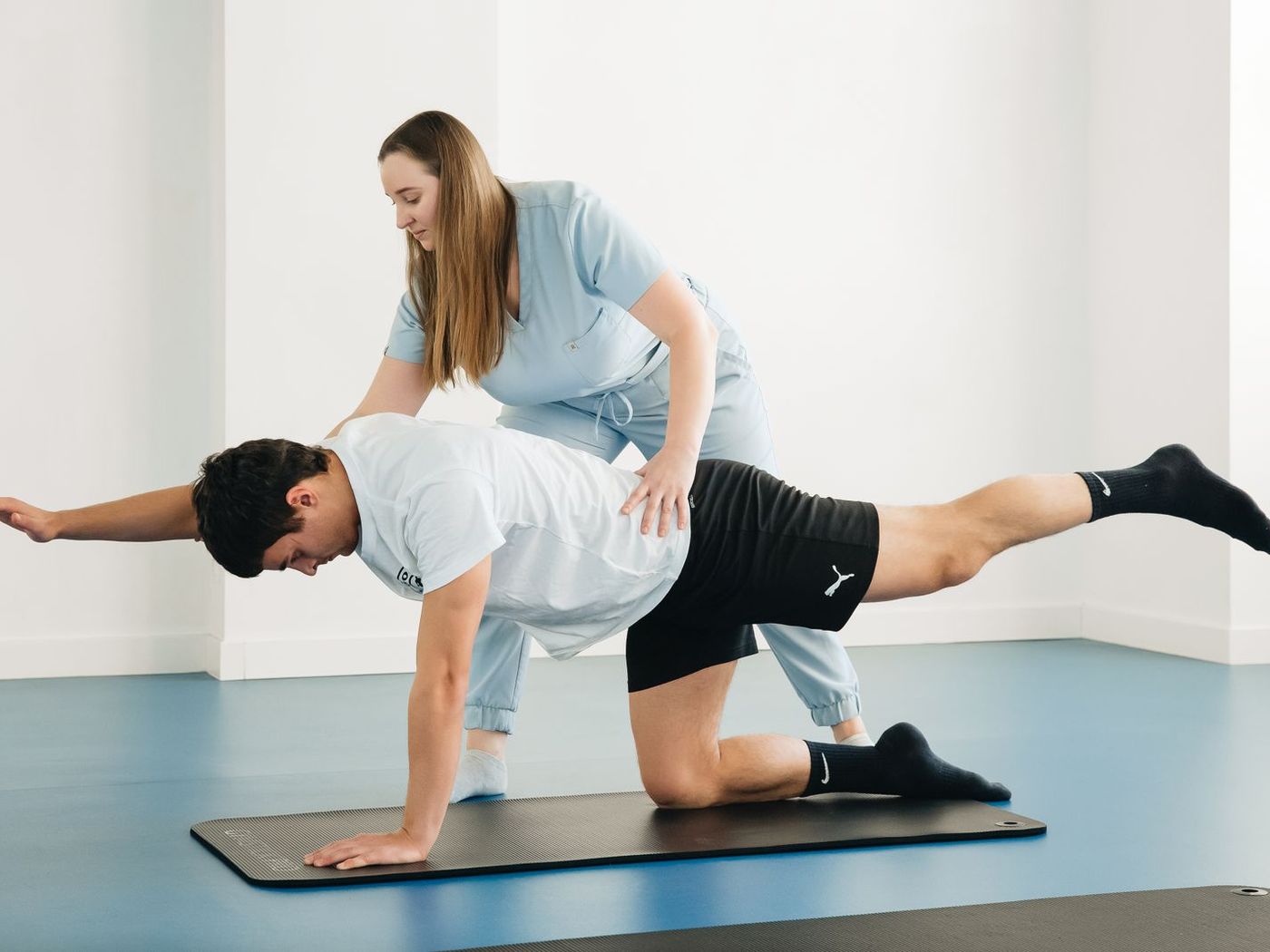
Clinical exercise physiologist
- Master's degree in clinical exercise physiology
- On the Academy for Healthcare Science register, accredited by the Professional Standards Authority
- Specialists in exercise for cancer and long-term conditions
- Master's degree in clinical exercise physiology
- On the Academy for Healthcare Science register
- Specialists in exercise for cancer
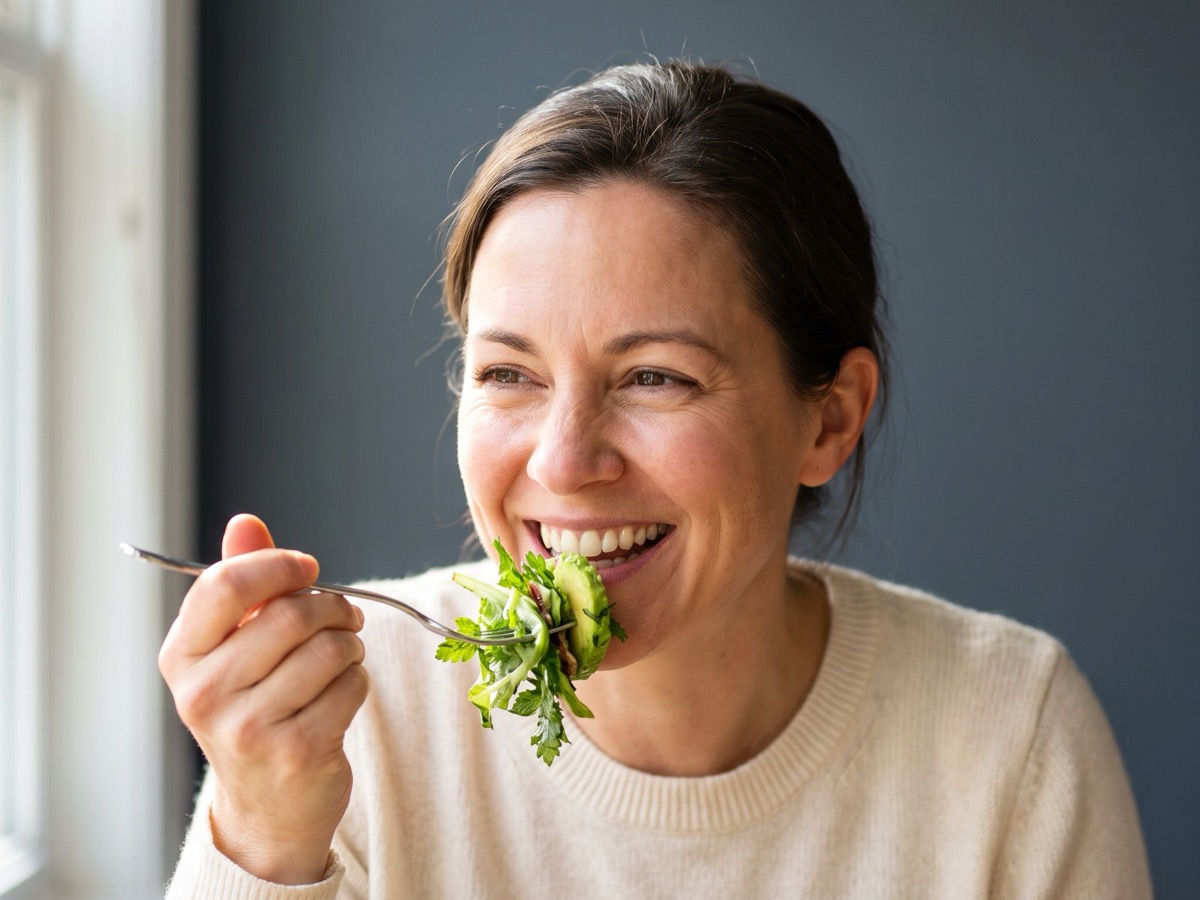
Registered dietitian
- Degree-qualified, with "dietitian" a title protected by law
- Registered with the Health and Care Professions Council
- Experienced in eating well through cancer treatment
- Degree-qualified, a title protected by law
- Registered with the HCPC
- Experienced in eating well through treatment
Oncology nurse
Keeps the plan joined up with the patient's treatment and hospital team.
The evidence behind it
Examples from published trials, not results from The Health Nav.
Exercise lowered the chance of colon cancer coming back.
889 people who had finished chemotherapy. Half had three years of exercise with a coach; half were given health-education materials.
That is a 28% lower risk of the cancer coming back, a new cancer or death, and over about eight years a 37% lower risk of dying.
New England Journal of Medicine, 2025 (CHALLENGE trial)fewer deaths within 30 days with individualised nutritional support (14.1% against 19.9%), in 506 people in hospital with cancer at risk of malnutrition.
Annals of Oncology, 2021Colon cancer, after chemotherapy
Exercise lowered the chance of colon cancer coming back.
1Who
889 people who had finished chemotherapy for colon cancer, in a randomised trial run at 55 hospitals and cancer centres.
2What they did
Half were given a three-year structured exercise programme with a physical activity coach, with supervised sessions at the start and support to keep going. They built up to about two and a half extra hours of moderate exercise a week, such as walking or cycling. The other half were given health-education materials.
3What happened
80.3%were alive with no sign of cancer after five years, with the exercise programme73.9%with health-education materials aloneThat is a 28% lower risk of the cancer coming back, a new cancer or death, and over about eight years a 37% lower risk of dying.
About the trial
The trial's main measure was disease-free survival, and it was published in the New England Journal of Medicine. It tested whether exercise after treatment changes how cancer turns out, not just how people feel.
fewer deaths within 30 days with individualised nutritional support (14.1% against 19.9%), in 506 people in hospital with cancer at risk of malnutrition.
Annals of Oncology, 2021 (randomised trial)
Start your plan today
For you, or someone you care for. A few questions and we'll take it from there.
Start todayRefer a patient
For oncology teams, GPs and allied health professionals. Send us a referral and, if your patient agrees, we'll keep you updated.
Refer a patient